R and d of Stainless Material Welded Pipes regarding Automotive Applications
Research and Development associated with Stainless Steel Welded Pipes for Automobile Applications 1. Launch The automotive market requires materials that will meet stringent demands regarding strength, deterioration resistance, durability, and even lightweight properties. Stainless steel, especially welded pipes, has turn out to be a preferred choice within automotive applications due to its modern mechanical properties and even resistance to corrosion and high temperature ranges. These properties help make stainless steel welded pipes ideal regarding used in exhaust techniques, fuel lines, brake pedal lines, radiators, in addition to cooling systems within vehicles. The growth of stainless-steel welded pipes for automobile applications is influenced by the dependence on lightweight yet strong materials that can withstand the tough conditions inside a car's engine and tire out systems. This r and d (R&D) focus upon improving the making process, material components, and cost-effectiveness involving stainless pipes, when maintaining high-quality standards required by automotive industry. 2. Key Requirements for Stainless-steel Welded Pipes inside of Automotive Applications a couple of. 1 Corrosion Resistance Exhaust systems plus fuel lines are usually exposed to tough environmental conditions, including high temperatures, drinking water vapor, salts, and even exhaust gases. The particular welded pipes employed in these parts must be remarkably resistant to corrode due to these elements. Stainless alloys, these kinds of as 304 and 316, are generally utilized due to their particular excellent resistance to be able to corrosion, especially in moisture-rich and acidic environments. 2. 2 High-Temperature Performance Automotive devices, particularly exhaust systems, knowledge extreme temperature variants. The stainless plumbing must maintain large strength and dimensional stability at elevated temperatures, ensuring of which they perform efficiently without failing credited to thermal biking or creep. Level 304L and 309S stainless steel are usually used for high-temperature applications due to be able to their oxidation weight and ability to retain strength with temperatures exceeding 800°C. 2. 3 Power and Durability The particular welded pipes must exhibit high mechanical strength and impact resistance to deal with the mechanical strains during operation. This is particularly important for components like brake lines and fuel lines, where the pipes are subject to pressure and gerüttel. Stainless steel metals for instance 430 and even 409 are regularly used in auto exhaust systems, like they offer a balance between strength and cost-effectiveness, making them ideal for mid-range auto applications. 2. some Lightweight As the automotive industry continues to focus on power efficiency and emission reductions, lightweight materials are essential. Stainless steel steel pipes present a high strength-to-weight ratio, which plays a part in the overall light type of the motor vehicle. For this explanation, research is being carried out to lower the wall structure thickness of stainless steel pipes with no compromising their mechanised performance. 2. 5 various Weldability The ability to weld stainless steel water lines effectively is essential for mass production in automotive production. The welding process must result on high-quality joints without having introducing defects this sort of as cracking, porosity, or distortion. Stainless-steel alloys are commonly welded using techniques like TIG (Tungsten Inert Gas) welded, MIG (Metal Inert Gas) welding, plus laser welding, which usually require precise control to maintain material honesty. 3. Materials Employed in Stainless-steel Welded Pipes for Auto Applications Several metal steel grades are utilized in the producing of welded plumbing for automotive applications. The choice of material will depend on on factors like corrosion resistance, heat tolerance, and mechanical strength. Common grades include: 3. 1 Austenitic Stainless Steel (Grades 304, 316) Level 304: Reputed for it is excellent corrosion resistance, formability, and weldability, it is popular in exhaust techniques, fuel lines, and brake lines. Level 316: Offers better resistance to corrosion, especially in environments along with high levels regarding chlorides (such while marine environments or high-salinity conditions). That is often used in cooling systems and parts exposed to be able to aggressive chemicals. 3. 2 Ferritic Stainless Steel (Grades 409, 430) Grade 409: A cost-effective substance with good oxidation resistance, commonly utilized for automotive exhaust systems. Grade 430: Offers good resistance to mild corrosive environments, typically used regarding intermediate and low-end exhaust systems. 3. three or more Duplex Stainless Metallic Duplex stainless-steel mixes the properties associated with both austenitic and ferritic steels, supplying higher strength and corrosion resistance as compared to conventional stainless terme conseillé. It is used in high-performance automotive programs where both power and corrosion opposition are critical. 5. Manufacturing Process associated with Stainless Welded Piping The production of stainless metallic welded pipes regarding automotive applications entails several key techniques to ensure that will the material meets the required standards involving strength, corrosion resistance, and dimensional accuracy. The primary steps include: 4. one Steel Strip Formation The process commences together with the selection associated with stainless steel shelves or strips which can be rolled to typically the desired thickness. The material can now be thoroughly cleaned to get rid of virtually any surface oxides, essential oils, or debris ahead of being fed straight into the pipe-forming machine. 4. 2 Tube Formation The steel strip is created in a circular form through a series associated with rolling mills. pipe fittings The edges in the remove are then butted together in prep for welding. 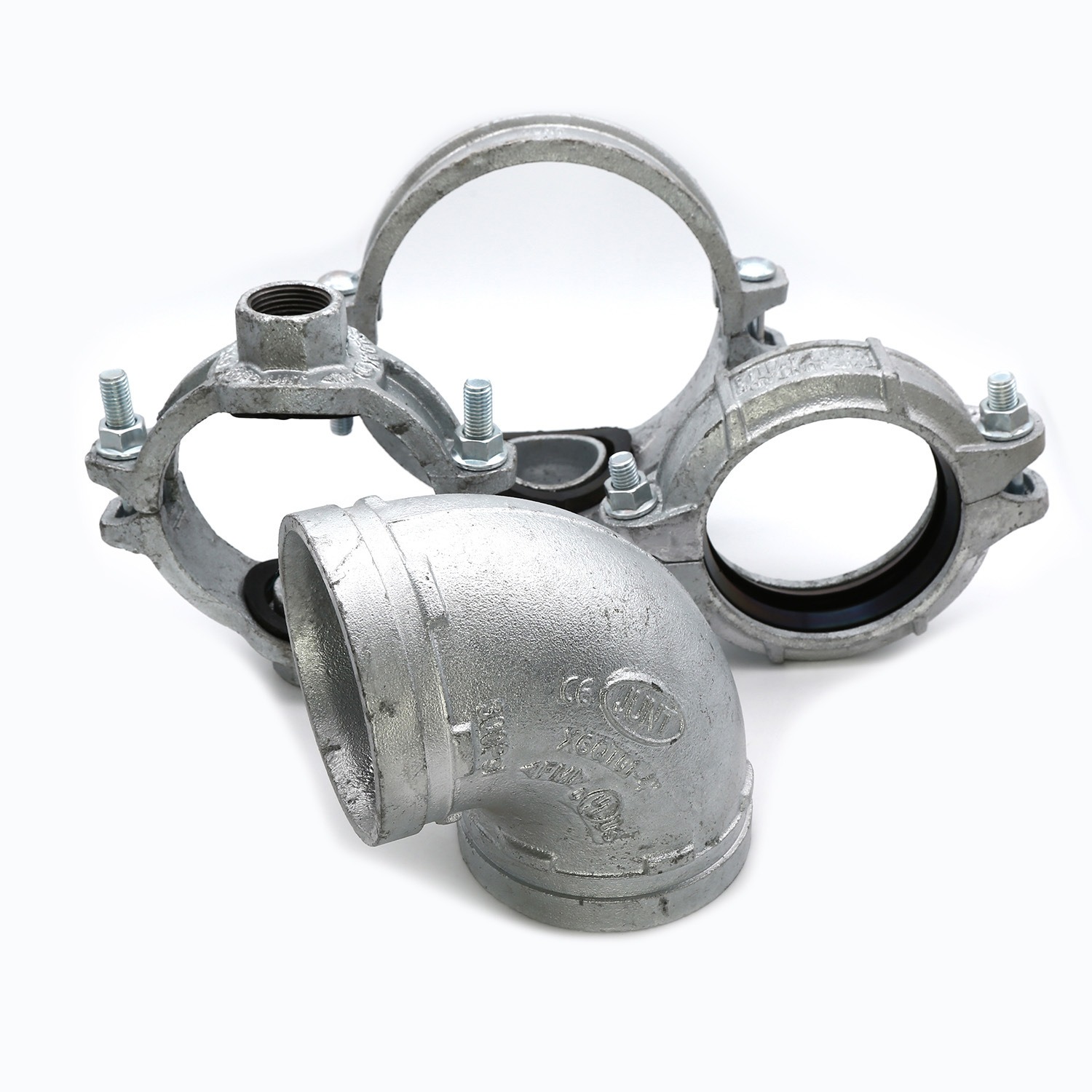 5. 3 High-Frequency Opposition Welding (HFRW) HFRW is the most common method applied for welding metal steel pipes, especially for high-volume automotive software. The process requires passing high-frequency electric powered current through typically the edges with the steel, generating heat to be able to form a welds with the pipe seam. The welded joints is then quenched to be able to solidify the ankle and ensure that it retains strength below pressure. 4. 4 Heat Treatment Right after welding, the pipes often undergo the heat treatment process, which may contain annealing or answer treatment. This method relieves residual stresses, improves ductility, in addition to enhances corrosion resistance. 4. 5 Polishing off and Surface Treatment The stainless-steel water lines are then put through to various completing processes, such like polishing, pickling, or passivation, to boost the surface complete and enhance rust resistance. Passivation requires treating the steel with an acidity solution to remove no cost iron from the particular surface and type a protective o2 layer that boosts the material's level of resistance to corrosion. five. New Technological Advancements in Stainless Metallic Pipe Production Current technological advancements have significantly improved the particular production processes and even properties of stainless steel steel pipes for automotive applications. Key developments include: five. 1 Advanced Welding Techniques Laser Welding: Laser welding can be a precise method that can produce high-quality, defect-free welds. It is definitely increasingly being used in automotive software for high-strength welded joints with minimum distortion and heat-affected zones (HAZ). Rubbing Stir Welding (FSW): FSW is the solid-state welding approach that could join metal steel sheets along with improved mechanical attributes. It reduces the risk of hot cracking and porosity when compared with traditional blend welding methods. your five. 2 Automation and Robotics Automated welding systems and robotic arms are being used to rise the efficiency in addition to precision of the particular welding process. These kinds of technologies reduce human error, improve consistency, and enable better production rates with regard to automotive stainless metal pipes. 5. several Surface Coating Technology Coating systems like as plasma spraying and electroplating happen to be used to increase the corrosion resistance of stainless water lines. These coatings give an additional coating of protection against harsh environmental aspects and chemical coverage. 5. 4 Lightweighting Systems Research is definitely ongoing to formulate thin-walled stainless steel pipes without compromising strength and durability. By optimizing the fabric composition and manufacturing process, it is definitely possible to reduce the weight of stainless pipes, which contributes to improved fuel performance and reduced CARBON emissions in automobile vehicles. 6. Applying Stainless Steel Welded Pipes in Automotive Industry 6. 1 Exhaust Systems Stainless pipes are popular in automotive exhausts due to their very own ability to withstand high temperatures in addition to experience of corrosive deplete gases. Grade 409 and Grade 304 stainless are typically applied in these systems, offering a fair balance between expense and performance. six. 2 Fuel and even Brake Lines Stainless pipes are best for fuel outlines and brake outlines due to their own capacity corrosion and high-pressure performance. Quality 304 and Quality 316 stainless steels are commonly used throughout these critical components. 6. 3 Cooling Systems Stainless steel alloy is often used inside of cooling systems, wherever it is revealed to high-pressure coolants and needs to keep up structural integrity and even resistance to corrosion at high conditions. 7. Conclusion Stainless steel welded water lines are an fundamental component in contemporary automotive engineering credited to their corrosion resistance, high-temperature overall performance, and mechanical durability. The development of new welding strategies, advanced automation, and material innovations offers significantly enhanced the manufacturing process, allowing the production of lightweight, high-performance water lines for exhaust techniques, fuel lines, plus cooling systems. The particular continuous improvements on welding technologies, area treatments, and materials properties will drive the future growth of stainless-steel water lines in automotive apps, contributing to more efficient, durable, and eco-friendly vehicles.